
Cadillac Escalade Hybrid Battery Cell Replacement Guide (Symptoms, Costs & Options)
If you’re the proud owner of a Cadillac Escalade Hybrid, you already know the smart benefits of combining luxury, power, and fuel efficiency. But if you’re starting to notice unusual performance issues—like reduced fuel economy, warning lights, or inconsistent power delivery—it could mean your hybrid battery is experiencing problems. Don’t worry, though. While hybrid battery concerns can seem costly and overwhelming at first glance, a full replacement isn’t always the only solution. Sometimes, repairing or replacing specific battery cells or modules can save you both time and money.
This guide is here to help you understand exactly what’s going on with your Escalade’s hybrid battery. We’ll walk you through the common symptoms of battery issues, weigh the costs of replacement versus repair, and explore your options for getting back on the road without breaking the bank. By the end, you’ll have a clear understanding of how to tackle hybrid battery problems with confidence—and maybe even save some money along the way.
The Cadillac Escalade Hybrid Battery in a Nutshell
The Cadillac Escalade Hybrid stands out in the hybrid world for its combination of luxury, utility, and impressive fuel efficiency. Renowned for reliable miles per gallon (MPG) compared to its non-hybrid counterparts, this model offers drivers a premium driving experience without sacrificing eco-friendliness. The Escalade Hybrid is also widely recognized and utilized, making parts and expertise more accessible for repairs and maintenance.
Differences Across Generations
There are notable differences between the second-generation and third-generation Cadillac Escalade Hybrids. Gen 2 models laid the groundwork, incorporating hybrid technology for better fuel efficiency, while Gen 3 improved upon this foundation with optimized battery performance and updated system integrations. Understanding the specifics of your Escalade's generation can help pinpoint potential issues and streamline repair processes.
Why These Batteries Are Usually Repairable
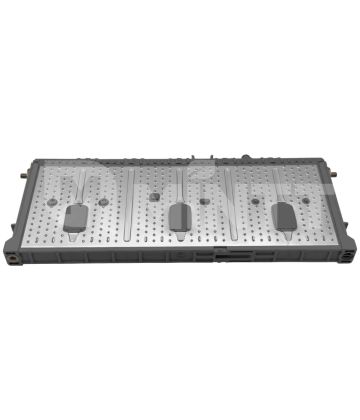
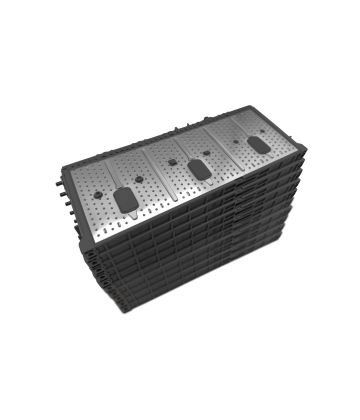
One of the significant perks of the Escalade Hybrid battery is its modular design. This feature allows for targeted repairs, such as replacing a faulty cell or module rather than the entire battery pack. Additionally, the hybrid battery’s placement and design make it relatively easy to access and service, reducing repair time and costs.
Most Prone Years/Models for Cell-Level Failures
While the Escalade Hybrid is generally reliable, certain model years are more prone to cell-level failures. Earlier models, especially from the initial production runs of Gen 2, have shown higher incidences of individual cell degradation, often due to aging components and extended use. Regular maintenance and addressing issues early can significantly extend the life of these batteries.
How the Battery System Works (Without Getting Too Technical)
The Escalade Hybrid's battery system is a carefully designed network of components working together to provide efficient energy storage and usage. At its core, the battery is made up of multiple modules, and each module consists of individual cells. These cells are the smallest units of energy storage, and together, they power the vehicle. However, if even one module becomes weak or fails, the performance of the entire battery pack can be affected, reducing efficiency and overall functionality.
Depending on the model year, the Escalade Hybrid uses either Nickel-Metal Hydride (NiMH) or Lithium-Ion technology for the battery, both of which are common in hybrid systems. NiMH batteries are known for their durability, while Lithium-Ion offers improved energy density and lighter weight.
The battery system is supported by features like regenerative braking, which captures energy while slowing down and feeds it back into the battery. Cooling fans help maintain optimal temperatures for the cells, preventing overheating and ensuring consistent performance. Additionally, a battery control system ensures seamless communication between the battery and the vehicle, efficiently managing the flow of energy. Together, these elements work harmoniously to power the Escalade Hybrid and deliver a reliable driving experience.
Signs Your Hybrid Battery Modules Might Be Failing
It's essential to recognize potential indicators of a failing hybrid battery module to address issues promptly and maintain vehicle performance. Here are some practical signs to watch for:
- Warning lights: The appearance of dashboard alerts such as "Check Hybrid System" or other related warnings.
- Noticeable drop in MPG or performance: A significant decrease in fuel efficiency or overall vehicle performance compared to normal operation.
- Inconsistent charge levels: Rapidly fluctuating or irregular battery charge levels, which can suggest the modules are not functioning correctly.
- Louder cooling fans: The cooling fans running more frequently or at higher volumes, indicating the system is struggling to manage excess heat.
- Sluggish acceleration: A delay or lack of responsiveness when accelerating, often caused by reduced power delivery from the hybrid battery.
Do You Need a Full Battery Pack or Just a Few Modules?
A common misconception is that a failing hybrid battery always requires full replacement. However, this isn’t necessarily true. Most of the time, only 1–3 modules within the battery pack may fail, while the rest remain functional. By identifying and replacing just the faulty modules, you can save significantly on costs, time, and resources.
Module repair is not only more budget-friendly but also quicker and more sustainable, as it reduces waste compared to replacing an entire battery pack. That said, there are situations where a full battery replacement might be necessary—particularly if the imbalance between modules is widespread and cannot be rectified with targeted repairs. Consulting with a professional can help determine the best approach for your specific situation.
Can Battery Modules Be Reconditioned Instead of Replaced?
Battery module reconditioning is a process that involves restoring the performance of battery modules without fully replacing them. This can include balancing the cells to ensure they operate at equal levels, performing deep cycling to recalibrate the state of charge, and utilizing specialized diagnostic tools to identify and fix performance issues. Reconditioning aims to extend the life of a battery and improve its performance at a fraction of the cost of a full replacement.
When Does Reconditioning Work?
Reconditioning is most effective when the battery modules have mild to moderate degradation but are otherwise structurally sound. For instance, balancing the cells can remedy minor imbalances caused by uneven usage or charging patterns. It is also a viable solution when the primary issues stem from capacity fade rather than complete cell failure.
When Doesn’t Reconditioning Work?
Reconditioning may not be effective if the battery modules have severe damage, such as internal shorts, significant swelling, or widespread cell failure. Additionally, if diagnostic tools reveal that a majority of the modules in a pack are no longer functioning within optimal parameters, a complete replacement may be the only viable option. Attempting to recondition severely degraded modules may result in inconsistent performance and safety risks.
What Tools Are Needed?
Reconditioning requires specialized tools such as battery analyzers, cell balancers, thermal monitoring equipment, and software capable of testing and recalibrating modules. Additionally, a controlled workspace and protective gear are essential to ensure safety during the reconditioning process.
Reconditioning Cost vs. Replacement
The cost of reconditioning is significantly lower than replacing the entire battery pack, often saving hundreds or even thousands of dollars. However, the cost-to-benefit ratio depends on the extent of the issues and the tools required. While replacement guarantees a fully restored system, reconditioning can be a more economical and sustainable option in cases where it successfully restores the battery's efficiency and longevity.
Tips to Make Your Escalade Battery Last Longer
Proper maintenance and care can extend the lifespan of your Escalade's battery. Here are some helpful longevity tips:
- Keep battery cooling systems clean: Ensure the battery's cooling system is free of debris and functioning efficiently to prevent overheating.
- Avoid frequent deep discharges: Try to avoid letting your battery drain completely, as deep discharges can degrade its overall capacity over time.
- Watch for heat buildup: Excessive heat can damage the battery, so monitor for any signs of heat buildup, especially during extended use or warm weather conditions.
- Use scan tools regularly: Regularly using scan tools to check the battery's health and performance can help detect any potential issues early, allowing for timely maintenance or repairs.
Common Questions from Cadillac Escalade Owners
Can I still drive with a bad module?
Driving with a bad module is not recommended as it can affect the overall performance and safety of your vehicle. A faulty module can lead to uneven power distribution and potentially cause further damage to the battery system. It’s best to address the issue promptly to ensure reliable operation.
Is it safe to replace only one module?
While it is possible to replace just one module, it’s important to ensure the new module matches the specifications and condition of the existing ones. Mismatched modules can create imbalances in the battery pack, leading to performance issues or shorter lifespan. For the best results, consult a professional technician.
How many modules are in the Escalade?
The number of modules in a Cadillac Escalade can vary depending on the model year and battery configuration. Generally, hybrid and electric models are equipped with battery packs containing multiple modules, each made up of individual cells. Refer to your owner’s manual or contact a specialist for model-specific information.
How long does a rebuilt pack last?
A rebuilt battery pack's lifespan depends on the quality of the rebuild and how well the vehicle is maintained. Typically, a well-rebuilt pack can last several years, but factors like driving habits, environmental conditions, and regular maintenance play a significant role in determining its longevity. Always choose a reputable service provider for battery rebuilds.
Hybrid battery issues don’t always mean it’s time for a complete replacement. If you’re experiencing challenges with your vehicle’s battery, such as reduced performance or warning lights, a professional rebuild or repair could be a cost-effective solution. Reach out to us today for expert advice, a free diagnostic, or a quote—your hybrid deserves the best care possible!