
Owning a Toyota Avalon Hybrid is a testament to your dedication to smart, fuel-efficient driving. You’ve enjoyed the seamless balance of performance and economy, but now you’re starting to notice some concerns with your hybrid battery. It’s easy to assume that a full replacement might be your only option, but here’s the good news—it may not be. There are alternative solutions that could save you time, money, and keep your Avalon Hybrid running at its best.
The Toyota Avalon Hybrid Battery in a Nutshell
The Toyota Avalon Hybrid stands as a beacon of reliability and efficiency in the hybrid vehicle market. Known for its impressive fuel economy, often exceeding 40 MPG, and its smooth, quiet performance, this model has gained immense popularity among hybrid enthusiasts. Its widespread adoption and proven track record make it a trusted choice for drivers seeking a blend of luxury and eco-friendly features.
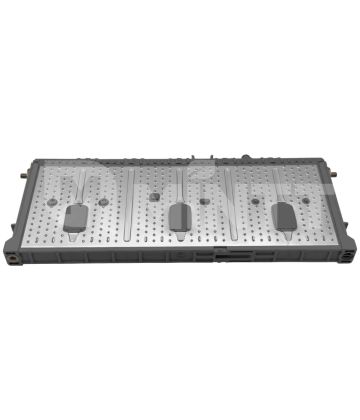
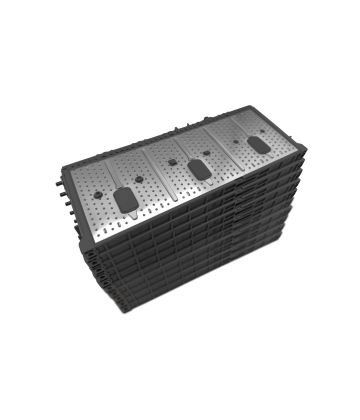
One of the standout features of the Toyota Avalon Hybrid batteries is their modular design. This engineering decision makes them highly maintainable and repairable compared to some other hybrid systems. Individual cells within the battery pack can be assessed and replaced as needed, negating the necessity for a full battery replacement in many cases. Additionally, these batteries are relatively easy to access for professionals with expertise in hybrid systems, further simplifying the process of repairs or reconditioning.
How the Battery System Works
The battery system in hybrid and electric vehicles is composed of several key components working together. At its core, the battery is made up of cell modules, and each module is further composed of individual cells. If one module becomes weak or fails, the performance of the entire battery pack is affected, as the system relies on all components functioning efficiently together.
Most vehicles use either Nickel-Metal Hydride (NiMH) or Lithium-ion (Li-ion) technology for their batteries, depending on the model year and design. NiMH batteries are common in older models, while newer models tend to use Li-ion batteries due to their higher energy density and efficiency.
Regenerative braking plays a crucial role in maintaining battery cell performance by converting kinetic energy from braking into electrical energy, which recharges the battery. Additionally, cooling fans and the battery control system are vital to regulating the battery's temperature and ensuring optimal performance. These systems work synergistically to extend the life of the battery and enhance the overall efficiency of the vehicle.
Signs Your Hybrid Battery Cell Modules Might Be Failing
- Warning Lights - A warning light such as "Check Hybrid System" on your dashboard is often one of the first signs of a potential issue with your hybrid battery.
- Noticeable Drop in MPG or Performance - A decrease in fuel efficiency or a noticeable decline in the vehicle’s overall performance can indicate battery degradation.
- Inconsistent Charge Levels - If you observe erratic or fluctuating charge levels on your battery display, it might signal imbalances in the battery modules.
- Louder Cooling Fans - Cooling fans working harder and becoming significantly louder than usual may suggest that the battery is overheating, which can be a sign of trouble.
- Sluggish Acceleration - A delay or lack of responsiveness during acceleration can point to insufficient battery power caused by failing modules.
Tips to Make Your Avalon Battery cells Last Longer
To extend the life of your Avalon hybrid battery, consider these helpful longevity tips:
- Keep Battery Cooling Systems Clean - Regularly check and clean the battery cooling fans and air intake vents to prevent dust and debris from restricting airflow, which could lead to overheating.
- Avoid Frequent Deep Discharges - Try to maintain the charge level within an optimal range rather than allowing the battery to deplete entirely, as frequent deep discharges can accelerate wear.
- Watch for Heat Buildup - Heat is one of the biggest factors that can reduce battery lifespan. Park your vehicle in shaded areas or garages and avoid exposing it to excessive heat.
- Use Scan Tools Regularly - Using diagnostic scan tools helps monitor the health and performance of your battery, enabling you to catch and address potential issues early.
- Consider a Hybrid Battery Checkup Once a Year - Annual checkups by a qualified technician can provide a thorough assessment of your hybrid battery cell condition, helping to ensure it operates efficiently for years to come.
Common Questions from Toyota Avalon Owners
- Can I still drive with a bad cell module?
- Is it safe to replace only one module?
- How many modules are in the Avalon?
- How long does a rebuilt pack last?
Driving with a bad module in your hybrid battery is not recommended. A faulty module can lead to reduced efficiency, poor performance, and can ultimately strain other components of the battery, potentially causing further damage. It’s best to address the issue promptly to avoid costly repairs.
While it is possible to replace a single damaged module, it is not always the most effective solution. Older modules may not match the performance of the new one, leading to an imbalance in the battery pack. A professional evaluation is crucial to determine the best course of action for long-term reliability.
The Toyota Avalon hybrid battery typically contains 34 modules. These modules work together to supply the energy needed to power your vehicle, and any failure within a module can impact the overall performance of the battery.
The lifespan of a rebuilt hybrid battery pack depends on factors such as the quality of the rebuild, driving conditions, and maintenance practices. On average, a properly rebuilt pack can last 4-6 years, but regular checkups and proper care can help maximize its longevity.