
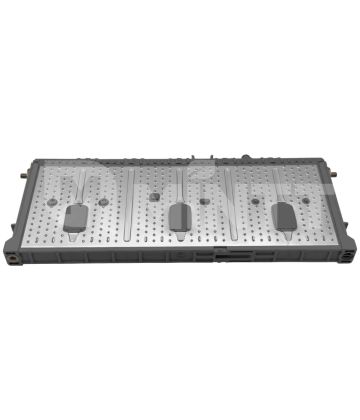
If you own a Toyota Prius hybrid, chances are you’re someone who values efficiency, reliability, and the long-term savings that come from smart fuel economy. That hybrid technology has likely served you well, but now you’re starting to notice signs of battery trouble—maybe it’s decreased performance, warning lights, or inconsistent charging. Before jumping to the conclusion that you need a full battery replacement, it’s important to know that there might be another option. Instead of replacing the entire battery pack, addressing individual hybrid battery cells or modules could solve the problem, often at a fraction of the cost.
What You Should Know
The Toyota Prius stands out in the hybrid world as a trailblazer, representing innovation and reliability in fuel efficiency. Known for its remarkable miles per gallon (MPG) performance and trusted reputation, the Prius has become one of the most widely used hybrid vehicles globally. Its appeal lies not only in its eco-friendliness and cost savings but also in its proven track record of dependability.
Across its different generations, the Prius has undergone a series of enhancements. For instance, the second generation (Gen 2) Prius, released in the early 2000s, introduced a more efficient hybrid system and improved battery technology. The third generation (Gen 3), launched later, brought further advancements in fuel economy, power, and overall design. However, with these improvements came variations in battery designs, which can result in different repair and maintenance considerations.
Certain models and years of the Prius are more prone to cell-level failures, especially as the vehicle ages or accumulates high mileage. For instance, Gen 2 and early Gen 3 batteries tend to experience degradation in specific modules due to consistent use and wear. However, the modular design and ease of access to the battery pack make them ideal candidates for targeted cell repairs or replacement, often helping owners avoid the expense of a full battery replacement.
How the Battery System Works
The Prius battery system is built using a modular structure. Each battery pack consists of multiple modules, and each module is made up of individual cells. If even one module becomes weak or fails, it can negatively impact the performance of the entire battery pack. This modular design, however, allows for the opportunity to replace or repair specific modules without needing to replace the entire pack.
Prius models typically use either Nickel-Metal Hydride (NiMH) or Lithium-ion technology, depending on the year and generation of the vehicle. NiMH batteries are common in older models, while newer Prius models often utilize lighter and more energy-dense Lithium-ion batteries.
Key systems like regenerative braking, cooling fans, and the battery control system play critical roles in maintaining efficiency and longevity. Regenerative braking captures energy during deceleration, storing it in the battery for later use. Cooling fans ensure the battery remains within safe temperature ranges, preventing heat-related damage. Finally, the battery control system monitors and optimizes the performance of individual cells and modules, ensuring the vehicle operates smoothly.
Signs Your Hybrid Battery Modules Might Be Failing
Identifying potential issues with your hybrid battery modules early can help prevent costly repairs and maintain vehicle performance. Here are some practical, real-world signs that your hybrid battery modules might be failing:
- Warning lights (“Check Hybrid System”): Modern hybrid vehicles are equipped with diagnostics that activate warning lights if the battery system encounters issues. Pay attention to these alerts on your dashboard.
- Noticeable drop in MPG or performance: A significant decrease in fuel efficiency or overall performance can be a key indicator of failing battery modules.
- Inconsistent charge levels: If the battery charges and discharges abnormally fast or fluctuates unexpectedly, it could signal problems with the cells.
- Louder cooling fans: An increase in noise from the battery cooling fans might indicate overheating issues, often caused by battery degradation.
- Sluggish acceleration: Reduced power delivery from the battery can lead to slower acceleration, impacting the vehicle's responsiveness.
Do You Need a Full Battery Pack or Just a Few Cell Replacement Modules?
It's a common misconception that a failing electric vehicle (EV) battery always requires a complete replacement. The truth is, you don’t always need to replace the entire pack. Often, battery performance issues can be traced to just one to three faulty modules. By replacing these specific modules, you can restore the battery's performance at a fraction of the cost of a full replacement.
Module repair is not only more affordable but also quicker and more sustainable, as it minimizes waste and reduces the environmental impact associated with producing an entirely new battery pack. However, in some cases, such as when significant imbalances or extensive degradation are present throughout the pack, a full replacement might be necessary to ensure optimal performance and reliability. Always consult a professional technician to determine the best approach for your situation.
Can Battery Modules Be Reconditioned Instead of Replaced?
Reconditioning a battery module involves rejuvenating its performance through techniques like balancing, deep cycling, or chemical treatments. Balancing refers to equalizing the charge levels across all cells within a module, ensuring uniform performance and reducing stress on individual cells. Deep cycling involves repeatedly discharging and recharging the battery to recover lost capacity due to prolonged storage or mild degradation. These methods aim to restore functionality without replacing the module entirely, making reconditioning a cost-effective and environmentally friendly alternative.
Tips to Make Your Prius Battery Last Longer
To maximize the lifespan of your Prius battery, it’s important to adopt practices that ensure optimal performance and prevent unnecessary wear. Here are some helpful longevity tips:
- Keep battery cooling systems clean: The hybrid battery relies on a cooling system to maintain safe operating temperatures. Regularly clean the vents and filters to ensure proper airflow and avoid overheating.
- Avoid frequent deep discharges: Deeply discharging the battery often puts excessive strain on its cells. Try to maintain a moderate level of charge whenever possible.
- Watch for heat buildup: Heat is one of the main culprits behind battery degradation. Park in shaded areas during hot weather and avoid running the vehicle hard in extreme temperatures.
- Use scan tools regularly: Monitoring battery health with scan tools can help you stay ahead of any potential issues. These tools provide valuable data on voltage levels, charge states, and overall performance.
- Consider a hybrid battery checkup once a year: An annual checkup by a qualified technician can identify early signs of problems and ensure your battery system is functioning efficiently.
Common Questions from Toyota Prius Owners
Can I still drive with a bad module?
While it may be possible to drive with a bad module, doing so is not recommended. A failing module can lead to reduced performance, decreased fuel efficiency, and further damage to the hybrid battery system. It’s best to address the issue promptly to avoid additional costs and ensure safe operation of your Prius.
Is it safe to replace only one module?
Replacing a single module may solve the immediate problem, but it is typically not a long-term solution. Imbalances in the battery pack can occur when one new module is paired with older ones, potentially leading to premature failures. For optimal performance and reliability, consider replacing or rebalancing the entire pack.
How many modules are in the Prius?
A Toyota Prius hybrid battery pack consists of28 individual modules. Each module is a critical component of the battery system, working together to provide the energy necessary for hybrid operation.
How long does a rebuilt pack last?
The lifespan of a rebuilt battery pack can vary depending on the quality of the rebuild and the condition of the modules used. On average, a well-rebuilt hybrid battery pack can last anywhere from 3 to 5 years. Regular maintenance and proper vehicle care can help prolong its performance.